A simple monthly phone budget for family abroad
Por agora, este artigo está em inglês.
Short answer
A simple monthly phone budget starts with a short list of who you top up, what each person needs and how often. Set a total you are comfortable with, decide whether each person gets airtime or data, and check each quote before paying, since prices and amounts can change. Reminders before a bundle runs out help you plan, and nothing is charged automatically.
Start with who and why
Write down the people you support with mobile credit and what the phone does for them. A parent may mainly need calls. A student may need data for classes. A sibling might need a little of both.
This list is the backbone of your budget. It helps you avoid topping up out of habit and makes sure the credit goes where it helps most.
Set a total, then share it out
Pick a monthly total you are comfortable with, in your own currency. Then divide it between people based on need rather than splitting it evenly.
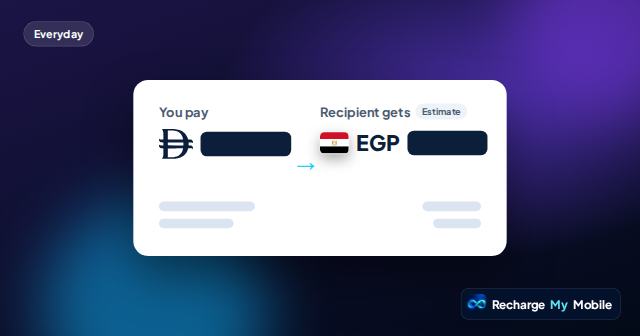
Our quotes show "You pay" in the currency you choose in the site header, so it is easy to compare against your budget. Remember that what the recipient gets can change with exchange rates, operator rules or local taxes, which is why some amounts are labelled as estimates.
Match the timing to their habits
Some people prefer one larger top-up a month. Others are better with smaller, more frequent top-ups so the credit doesn't expire unused or get spent too quickly.
- Bundles with a fixed validity: plan around the date it ends.
- Airtime: ask how long it usually lasts them.
- Someone who runs out mid-month: try two smaller top-ups instead of one.
- Someone with unused data at the end: try a smaller bundle or a longer validity.
Tools that help you stay on plan
Optional email reminders before a bundle's validity ends help you decide in good time. They never buy anything, and nothing is ever charged automatically.
Review once a month
At the end of each month, look back at your orders. Did anyone run out early? Did anyone have credit left over? Adjust the next month's plan.
Talk to the people you support, too. Their needs change with school terms, work and family events. A budget that listens to them works better than one set once and forgotten.
Keep a small buffer for surprises
Phones break, numbers change and emergencies happen. Leaving a little room in your monthly total means you can help when someone suddenly needs credit, without upsetting the rest of the plan.
When an urgent request comes in, still take a moment to check it. Confirm the request with the person on a number you already know, type the number twice, and read the quote before you pay. Scammers often rely on urgency.
Questions people ask
How much should I spend on top-ups for family each month?
That is your decision. Start with what each person actually needs and a total you are comfortable with, then adjust after a month or two.
Is it better to send one big top-up or several small ones?
It depends on the person. Bundles expire at the end of their validity, so smaller, regular top-ups suit some people better than one large one.
Why does the recipient's amount change from month to month?
Exchange rates, operator rules and local taxes can change. Where the amount can vary, the quote labels it as an estimate.
Do local taxes affect my phone budget?
They can affect what arrives. Some operators deduct a tax from prepaid top-ups; where our supplier reports it, the quote shows the top-up amount and what arrives after the tax.