Never share one-time codes: why it matters
Cet article est en anglais pour le moment.
Short answer
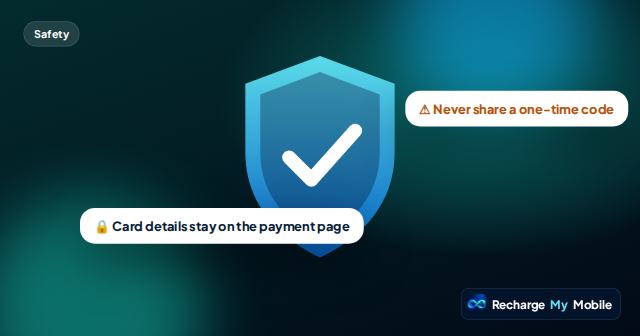
Never share a one-time code with anyone, even if they say they work for a bank, network or shop. These codes prove that you, the account owner, are approving a sign-in or payment. Someone who has your code can act as you. Genuine services don't ask you to read a code out to them. If you've shared one, contact that service straight away.
What a one-time code is for
A one-time code, sometimes called an OTP or verification code, is a short number sent by text, email or an app. It proves that the person signing in or paying really has access to your phone or email.
It works like a key that is only meant to be used once, by you. Its whole purpose is that nobody else sees it.
Why someone would ask for your code
If a scammer already has your password, card number or phone number, the code may be the last thing standing between them and your account. So they try to get you to hand it over.
They often sound convincing. They may know your name, mention a real company or say they are fixing a problem for you. That is why the rule is simple: no code, no matter who asks.
Common tricks
Code scams come in several forms. Knowing them makes them easy to spot.
- "We sent you a code by mistake, can you read it back to us?"
- "I'm from your network; tell me the code to stop your SIM being blocked."
- "Your order has a problem; confirm the code to release it."
- A relative's hacked account asking for "the code I just sent you".
- A fake delivery or prize message asking for a code to claim it.
How this applies to top-ups
When you send a top-up through our site, your bank may ask you to confirm the payment with a code on the secure payment page. Enter it there, on that page only. That is the only place it belongs.
We will never ask you for a code by phone, message or chat, and the Recharge Guide assistant never asks for one. If anyone claiming to be from us asks for a code, it isn't us.
Protecting family members
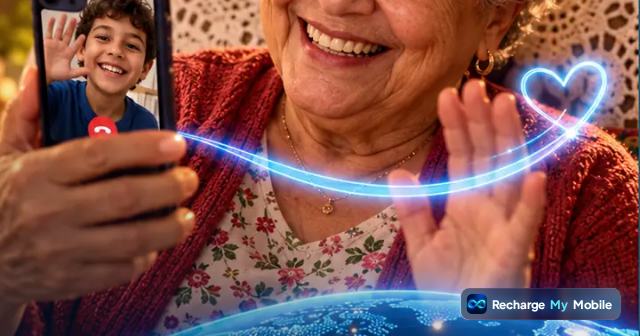
Older relatives and people less familiar with phones are often targeted. Share one clear rule with them: never read out a code to anyone, and call you or a trusted person if someone asks.
Topping up for them yourself also helps, because it means they never need to give card details or codes to anyone to receive credit. A top-up needs nothing from the recipient.
If you've already shared a code
Don't panic, but act quickly. Contact the service the code came from, such as your bank or app, through their official contact details. Change your password if an account was involved. If card details were involved, ask your bank to block the card.
Questions people ask
Is it ever safe to share a one-time code?
No. A one-time code is meant only for the person it was sent to. Genuine services don't ask you to read it out to them.
Does the recipient need a code to receive a top-up?
No. A top-up goes straight to the number once the operator credits it. The recipient never needs to share a code to receive it.
Will the Recharge Guide ever ask for my code?
No. The assistant is advisory only. It never asks for codes, card details or passwords, and it can't make payments.
Someone says they sent me a code by mistake. What should I do?
Don't share it. This is a common trick to take over accounts. Ignore the request, and contact the service if you are worried.
Why do scammers want my one-time code?
A code can be the final step needed to sign in to your account, change its settings or approve a payment. With it, someone else can act as you, so it should stay private.