Calls to other networks: when airtime is the better choice
Artikel ini untuk sementara dalam bahasa Inggris.
Short answer
Airtime is usually the better choice when the recipient makes normal phone calls, especially to people on other networks, landlines or anyone without internet. Data bundles suit app calls and messaging, but they don't help if the person they're calling isn't online. Ask who they call most and how, then choose airtime, data, or a mix over time.
Normal calls versus app calls
A normal phone call goes over the mobile network and is paid for with airtime or call minutes. An app call, such as a WhatsApp voice or video call, goes over the internet and uses data.
App calls only work if both people have an internet connection. If the recipient needs to reach someone on a basic phone, a landline, or someone without data, they need a normal call, and that usually means airtime.
When airtime is the better choice
Some situations point clearly towards airtime.
- Calling relatives or neighbours who use basic phones.
- Calling landlines, such as clinics, schools or offices.
- Calling people on other networks, where on-network bundles may not apply.
- Living somewhere with weak mobile data coverage.
- Sending normal text messages.
- Needing flexibility, where the operator allows airtime to be used for several services.
Why bundles may not cover other networks
Some operators offer bundles that include call minutes, but those minutes may apply only to calls within the same network, or only to certain destinations. The details vary by operator and change over time.
Airtime is generally more flexible, because it is a balance the operator deducts from as the phone is used. The operator's own rates decide how far it goes, and the recipient's operator can confirm the details.
How to choose for someone else
Ask a few simple questions: Who do you call most? Do they have internet? Do you mostly call or message? Your choice then follows naturally.
Many families end up with a mix: airtime for one month, a data bundle the next, depending on what's happening. There is no single right answer, only what fits the person.
Checking how far the airtime goes
Once airtime arrives, the recipient's operator deducts from the balance as they call and text. Calls to other networks, landlines or abroad may be charged differently from calls within the same network.
The recipient can check their balance the usual way for their network. If it seems to run down faster than expected, their operator can explain the rates for the calls they make. That conversation often helps you decide what to send next time.
Sending airtime from the UAE
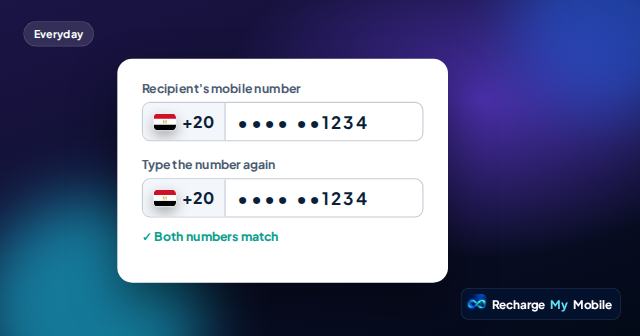
Choose the country, type the number twice and check the operator. If we can't confirm the operator, you choose it; we never guess. Then pick airtime. Some operators let you choose your own amount within a range.
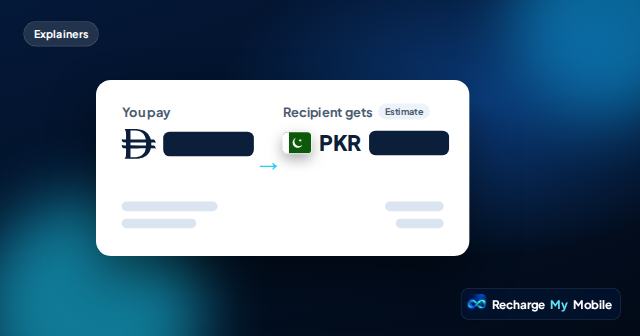
The quote shows "You pay" and "Recipient gets". Where the amount can change with exchange rates or operator rules, it is marked as an estimate. Some countries' operators deduct a tax from prepaid top-ups; where our supplier reports it, the quote shows what arrives after the tax.
Questions people ask
Can airtime be used for calls to other networks?
Usually yes. Airtime is a balance the operator deducts from for calls and texts, including to other networks, at the operator's own rates.
Can airtime be used for internet?
On many networks it can, but often at a less convenient rate than a data bundle. The recipient's operator can confirm how airtime is used for data.
Is airtime or data better for calling landlines?
Airtime, because landlines can't take app calls. A normal phone call is needed, which is paid from airtime or call minutes.
Can I choose how much airtime to send?
With some operators, yes. They let you choose your own amount within a range. Others offer fixed amounts.
Why did the airtime run out so quickly?
Calls to other networks, landlines or abroad may cost more per minute, and data use can also draw on airtime. The operator can explain the rates.