Why some received amounts are estimates
ഈ ലേഖനം ഇപ്പോൾ ഇംഗ്ലീഷിലാണ്.
Short answer
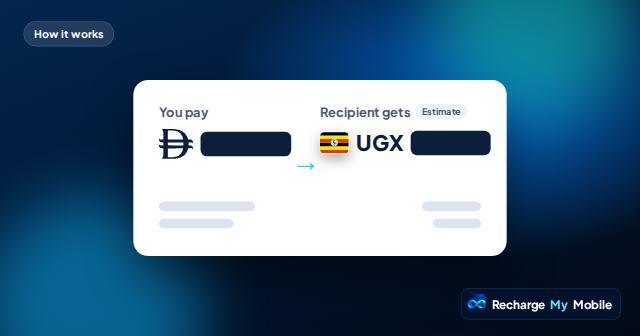
Some "Recipient gets" amounts are marked as estimates because what arrives can depend on things outside the quote: exchange rates, the operator's own rules, or local taxes deducted from prepaid top-ups. When we can't be certain of the final amount, we say so rather than show a figure that might not match. "You pay" is the amount you're charged; the estimate is our best indication of what arrives.
നിങ്ങൾ അടയ്ക്കുന്നത്
AED 2.72
- എയർടൈം
- AED 1.72
- സർവീസ് ഫീസ്
- AED 1.00
 സ്വീകർത്താവിന് ലഭിക്കുന്നത് ഏകദേശം
PKR 88.89
ടോപ്പ്-അപ്പ് PKR 100.00, ഓപ്പറേറ്റർ കുറയ്ക്കുന്ന 11.11% AIT കഴിച്ച്
Estimates are about honesty
We'd rather tell you a figure is an estimate than present it as exact and be wrong. When the final amount can change between the quote and the credit, we label it clearly.
"You pay" is different. It's the total you're charged in your chosen currency, including any service fee. The estimate applies to what the recipient gets.
What can make an amount uncertain
Several things can affect the final amount that reaches the phone.
- Exchange rates, when the top-up is valued in a different currency from the one you pay in.
- Operator rules about how a top-up is credited.
- Taxes some operators deduct from prepaid top-ups.
- Changes in the operator's own pricing.
- Rounding in the destination currency.
Taxes on prepaid top-ups
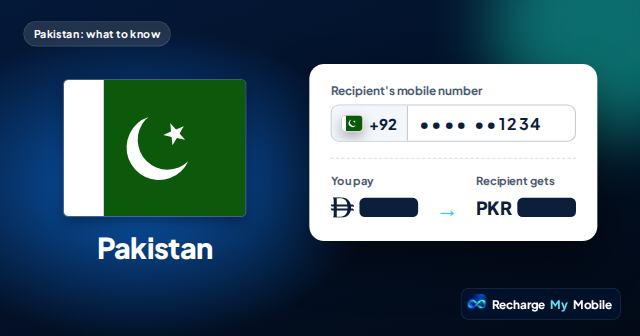
In some countries, operators deduct a tax from prepaid top-ups. Pakistan's advance income tax, known as AIT, is one example. Rates are set by authorities and can change.
Where our supplier reports the tax, the quote shows the top-up amount and what arrives after the tax. That way, the recipient's balance won't come as a surprise.
Bundles are often clearer
Data bundles are usually described in terms of data and validity rather than a currency amount. If you send a bundle, the recipient gets that bundle as the operator defines it.
The operator still decides exactly how the bundle works on their network, so the recipient's operator can confirm any details about how it's used.
Estimates and taxes: a simple example
Imagine you send an airtime top-up to a country where operators deduct a tax from prepaid top-ups. The operator receives the top-up amount, deducts the tax, and credits what's left to the phone.
The quote shows both: the top-up amount and what arrives after the tax, where our supplier reports it. If exchange rates also affect the figure, the amount is marked as an estimate. Either way, you see it before you pay.
If the amount that arrived looks wrong
First, ask the recipient to check their balance the usual way for their network, and compare it with "Recipient gets" on the order page. Remember that existing credit, or calls made since, affect the balance they see.
If the difference seems larger than an estimate would explain, open a case from the order page. We check with our supplier, and the transfer reference helps trace the exact top-up.
How to read an estimate
Treat an estimate as a close guide, not a promise. It's based on the figures available when we create the quote.
If the exact amount matters, for example because the recipient needs a specific balance, consider a bundle or a fixed-amount product where available, and leave a little room. After delivery, the recipient can check their balance the usual way for their network.
Questions people ask
Why does my quote say "estimate" next to the recipient amount?
Because exchange rates, operator rules or local taxes could change what arrives. We label it so you're not shown a figure that might not match.
Is the amount I pay an estimate too?
No. "You pay" is the total you're charged in your chosen currency, including any service fee.
Why did the recipient get less than the top-up amount?
In some countries, operators deduct a tax from prepaid top-ups. Where our supplier reports it, the quote shows what arrives after the tax.
Can I get an exact amount instead?
Where the operator's product allows, a bundle or fixed amount may be clearer. Otherwise the estimate is the most accurate figure available.